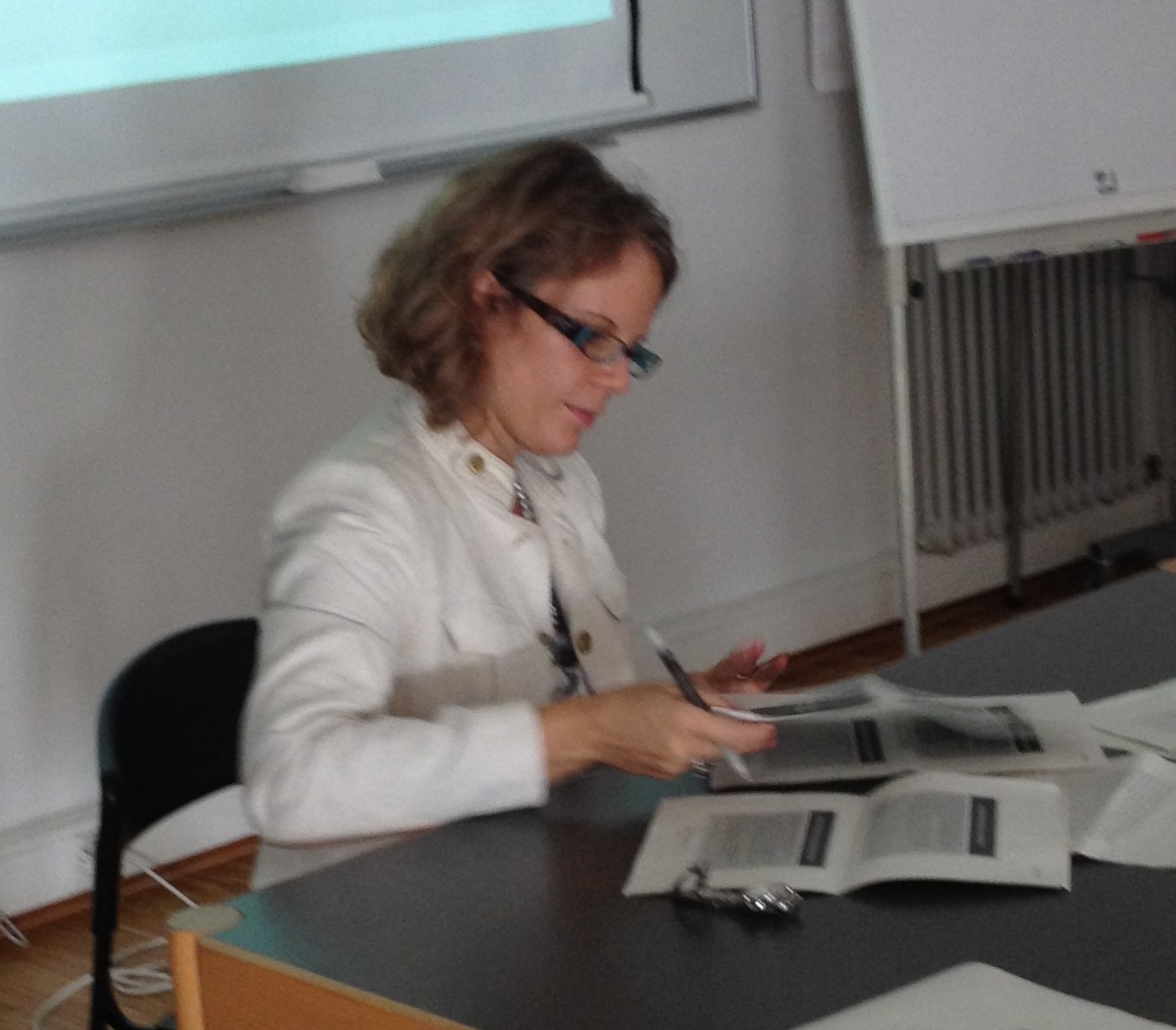
 Johanna Maccioni is a a clinical psychologist in Brussels, Belgium. After 5 years study in psychology, she obtained a D.E.S. (Diplôme d’Etude Spécialisé) in adult psychotherapy and passed the “Agregation” (which enables her to teach within universities).
She worked in hospitals in oncology and other units for ten years (in Belgium and in Martinique-France). For four years at Brugmann Hospital, she coordinated a project funded by the Belgian National Cancer Plan to improve migrants’ hospital care. In 2010, this project won the Gert Noel prize from the Belgian King Baudouin Foundation (the foundation supports justice, democracy and diversity in society), and this project inspired other units in other hospitals. After that, Maccioni began teaching Social Psychology, Intercultural Psychology, Group Dynamics and Clinical Systemic Therapy at the Haute Ecole Leonard de Vinci, a school specializing in paramedical training. As of September 2015, she is teaching a course on “Interculturalism in Health” (this is the second course on the subject offered in Belgium, after “Health and Culture” given by Dr. Louis Ferrand in Anvers University for doctors). She also trains doctors and paramedics who are currently working on this subject. In addition, she participates in a group project on how to improve migrants’ hospital care, organized by the Interfederal Center for Equal Opportunities (UNI-A: Centre Interfédéral pour l’Egalité des Chances, a public institution fighting discrimination).
Publications include:
Maccioni, J. (2019). Le-La patient.e étranger.ère et sa famille face au cancer: Un projet d’accompagnement multiculturel. In A. Heine & L. Licata (Eds.), La psychologie interculturelle en pratiques (pp. 189-200). Bruxelles : Mardaga.
Maccioni, J. & Heine, A. (2019). Dispositif de formation des soignant.e.s aux compétences interculturelles. In A. Heine & L. Licata (Eds.), La psychologie interculturelle en pratiques (pp. 373-384). Bruxelles : Mardaga.
Maccioni, J., & Juliens, C. (2016). Sur les compétences interculturelles: Enjeux et pratiques. Special issue of Les Politiques Sociales, 3/4.
Maccioni, J. (2014). Vers la compétence interculturelle dans les soins. Contact, 139, 11-12.
De Pauw, S., Maccioni, J., & Efira, A. (2014). Patients drépanocytaires: Quel accompagnement médical spécifique lors de l’adolescence? Revue médicale de Bruxelles, 35, 87-95.
[Création de livret]. (2012). Entre soignants et patients croyants: 4 représentants religieux nous informent. Question Santé ASBL, 1-27.
Maccioni, J., Etienne, A., & Efira, A. (2012). Le patient étranger face au cancer : projet d’accompagnement multiculturel. Santé Conjuguée, 59, 13-17.
Maccioni, J., Etienne, A., & Efira, A. (2011). Accompagnement multiculturel de patients étrangers. Agenda Interculturel, 289, 18-20.
Work for CID:
Johanna Maccioni wrote Constructing Intercultural Dialogues #1: Lullabies, as well as a guest post, Overlanding from Brussels to Kuala Lumpur: A few comments on interactions along the way. She also has served as a reviewer for French.
 She also supervises postgraduate research in language and intercultural communication; identity; student and academic mobility; international and intercultural education; intercultural competence; autonomous learning; English as a second language education; informal language learning; and intercultural transitions.
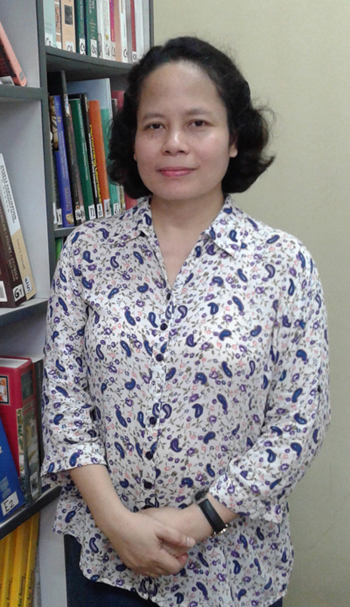 She has published research articles in local and international communication and literary journals on transnational audience reception of Korean television dramas; communication, civil society groups, the public sphere, and governance; intercultural communication between Christians and Muslims in the Philippines; Islamophobia and negative media portrayal of Islam; and literary critical essays. She has also written essays on the ideology of peace; reviews of the books of Maulana Wahiddudin Khan, an Islamic teacher advocating for peace; and her reflections on life, society, and spirituality published in
 Her research focuses on stereotypes communicated in interpersonal, intercultural, organizational, and new media contexts. Specifically, she explores the ways in which stereotypes are constructed through interpersonal communication and how this interactional and collaborative process facilitates stereotype maintenance within a cultural knowledge base.
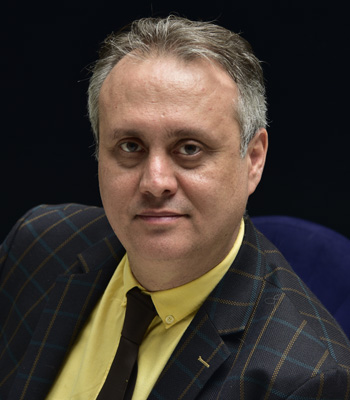 His main area of research is on Mughal miniature painting, with a secondary emphasis on interfaith dialogue during the Mughal Empire of India. His MA was on peace painting, resulting in the following article:
 Presently he serves as the executive chief of Intercultural Communication Research Center of SHNU, and the vice president of China Association for Intercultural Communication (CAFIC). His major research interests are identity negotiation and intercultural competence. In 2007-2008, he won a Fulbright grant and conducted research at the Department of Communication Studies of University of Rhode Island in the US. He has published numerous articles which have appeared in Chinese Journal of European Studies, American Studies Quarterly, World Economics and Politics, Contemporary International Relations, International Survey, China Media Research, Academic Research, and so forth.
 Her research and teaching interests span organizational and intercultural communication. More specifically, her scholarship focuses on issues of face, cross-cultural communication and the social impact of information and communication technologies. Her current research focuses on differences and similarities across Eastern and Western approaches to communication and cognition, and using Goffman’s concept of Face as an approach to communicative competence.