
 Erasmus+ Virtual Exchange is a ground-breaking project enabling youth in Europe and the Southern Mediterranean to engage in meaningful intercultural experiences online, as part of their formal or non-formal education. The program has been running for several years, but is now being highlighted as a good way to expand intercultural dialogue during the pandemic.
Erasmus+ Virtual Exchange is part of the Erasmus+ programme of the European Commission, providing an accessible, ground-breaking way for young people to engage in intercultural learning. Working with Youth Organisations and Universities, the programme is open to any young person aged 18-30 residing in Europe and the Southern Mediterranean.
Through a range of activities, Erasmus+ Virtual Exchange aims to expand the reach and scope of the Erasmus+ programme through Virtual Exchanges, which are technology-enabled people-to-people dialogues sustained over a period of time. Erasmus+ Virtual Exchange offers a safe online community to participate in facilitated discussions, increasing intercultural awareness and building 21st Century skills through Virtual Exchange. The programme encourages and promotes intercultural dialogue, employability, and citizenship, strengthening the youth dimension of the EU neighbourhood policy.
For more information, click on the links above, or see: D’Arcy, Naoise. (2020, June 28). In a pandemic, a virtual Erasmus offers a new way of crossing cultures. University Times [Ireland].

 An award of excellence goes to Vanessa Milqueya Ventura Alvarez, who is from the Dominican Republic, studying Business Management at Hostos Community College, part of the City University of New York in the USA, for her Associate’s degree.




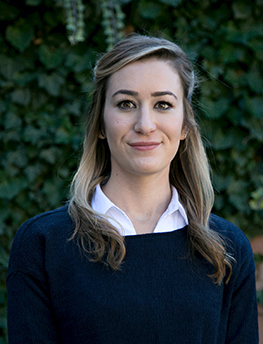 Her areas of interest include intercultural communication, interpersonal communication, and conflict management. Specifically, she explores how communication—specifically, how we communicate about difference—serves as both an instrument and a barrier to inclusion and belonging. Along with having taught several intercultural communication courses at various institutions, Salma has also held several non-academic, professional positions with local and international organizations in the field of conflict mediation and cross-cultural dialogue.
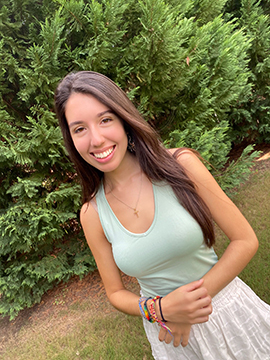 3rd prize goes to Veronica Gutierrez, who was born in Monterrey, Mexico, and has been living in the United States since age 10, and who is studying Global Public Health at Concordia University Texas, in the USA, for her Bachelor’s degree.
 Center for Intercultural Dialogue