KC95 Transnational Media Translated into Simplified Chinese

Key Concepts in ICDContinuing translations of Key Concepts in Intercultural Dialogue, today I am posting KC95: Transnational media, which Suman Mishra wrote for publication in English in 2020, and which Yan Qiu has now translated into Simplified Chinese.

As always, all Key Concepts are available as free PDFs; just click on the thumbnail to download. Lists of Key Concepts organized chronologically by publication date and number, alphabetically by concept, and by languages into which they have been translated, are available, as is a page of acknowledgments with the names of all authors, translators, and reviewers.
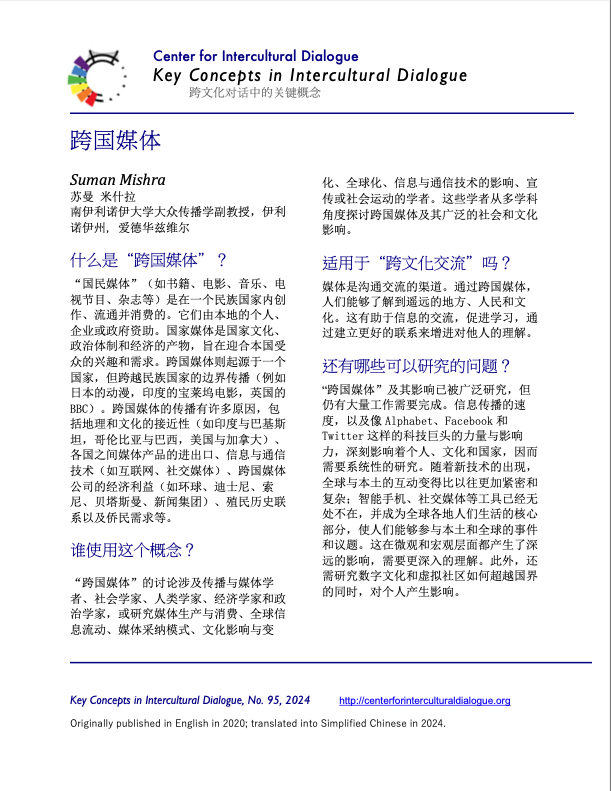
KC95 Transnational Media Translated into Simplified Chinese

Mishra, S. (2024). Transnational media [Simplified Chinese]. (Y. Qiu, Trans.). Key Concepts in Intercultural Dialogue, 95. Available from: https://centerforinterculturaldialogue.org/wp-content/uploads/2024/10/kc95-transnational-media_sim-chinese.pdf

If you are interested in translating one of the Key Concepts, please contact me for approval first because dozens are currently in process. As always, if there is a concept you think should be written up as one of the Key Concepts, whether in English or any other language, propose it. If you are new to CID, please provide a brief resume. This opportunity is open to masters students and above, on the assumption that some familiarity with academic conventions generally, and discussion of intercultural dialogue specifically, are useful.

Wendy Leeds-Hurwitz, Director
Center for Intercultural Dialogue


Creative Commons License
This work is licensed under a Creative Commons Attribution-NonCommercial-NoDerivatives 4.0 International License.

Favour Ilolo Profile

Profiles

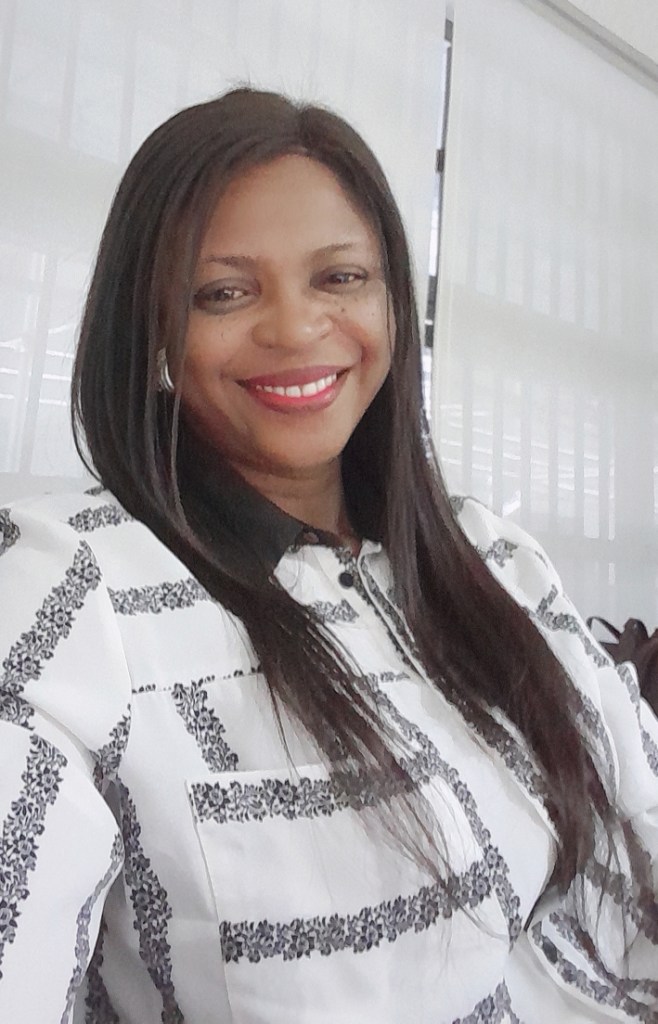
Favour Ogechi Ilolo is a graduate student in the Master of Arts in Intercultural and International Communication program at Royal Roads University in Victoria, B.C.

Favour IloloShe holds a BA in Mass Communication from the National Open University of Nigeria, and her areas of specialization include Media and Communication, Intercultural Dialogue, and Community Engagement. Her research interests span Intercultural Communication, Social Media for Social Change, Community Outreach, Cultural Representation in Media, and Advocacy for Inclusive Dialogue.
She has been actively engaged in a variety of community-based projects, working closely with organizations that support families, foster intercultural understanding, and tackle societal biases. She has developed educational content for diverse audiences and is particularly passionate about designing media-driven programs that promote intercultural empathy and mitigate stereotypes. Her expertise encompasses video and news editing, voiceover work, and content creation, where she seeks to craft compelling narratives that unite audiences across cultural divides.

Favour currently serves as a caregiver, utilizing her communication skills to establish trust and cultivate meaningful connections with individuals from diverse backgrounds, including those with special needs. Moreover, she actively participates in volunteer work that supports community outreach programs centered on intercultural communication and education.

Favour has actively participated in a range of academic and community initiatives, including workshops that underscore the significance of effective communication in diverse contexts. As she advances in her career, Favour is dedicated to fostering intercultural understanding through innovative communication strategies, with the aspiration of promoting empathy, respect, and inclusivity within communities.


Work for CID:

Favour Ilolo was an intern at the Center across fall 2024-spring 2025, and one of the co-authors of ICD Exercise 4: Implicit Bias Awareness and ICD Exercise 5: Challenging Cultural Stereotypes through Intercultural Dialogue, ICD Exercise 6: Exploring Cultural Symbols in Intercultural Dialogue, and ICD Exercise 7: Anti-Bias Advocacy.

Taos Institute: Pathways to Relational Resilience Dec 2024

EventsPathways to Relational Resilience: Creating relational resilience in the midst of conflict through the use of the arts and reflective dialogue, Taos Institute, 6 December 2024, 10:00am-12:30pm and 2:00-4:00pm EST (online).

Hosted by Taos Institute Vice-President, Sheila McNamee and Taos Institute Associate and Artsbridge Founder, Deb Nathan. Whether it’s conflict between nations, within families, between partners, or with colleagues, it is challenging to find ways to move beyond conflict towards greater understanding and an appreciation of difference. However, it is not impossible, and hope can be found even amid the deepest of divides. How do we hold on to our beliefs while making room for other perspectives? As the political and social aspects of the world in which we live become more polarized, how do we learn to tolerate difference and listen to viewpoints that differ dramatically from our own? How do we work together and learn to value difference?

This online workshop features relational alternatives to more traditional approaches to conflict resolution. Participants will explore a unique approach to engaging with conflict that encourages the development of relational resilience by helping them learn to think critically and creatively, and to appreciate the value of difference.

Participants will engage in interactive experiences that incorporate the utilization of art and reflecting dialogue to illustrate how the two can work together to shift from conflict to curiosity and generate constructive understandings of difference.

Stellina Ibrahim Profile

Profiles

Stellina Ibrahim holds a BA in Economics and an MBA in Business Administration. She is currently pursuing an MA in Intercultural and International Communication at Royal Roads University in Victoria, BC.

Stellina IbrahimAs of October 2024, Stellina has joined the Center for Intercultural Dialogue (CID) as an intern, collaborating with her team, “3 Connect-1 Voice,” to develop initiatives centered on intercultural dialogue. In her role at CID, Stellina focuses on creating Intercultural Dialogue Exercises to address stereotypes and bias, managing a new Instagram account for the Center, and translating some of the Key Concepts in Intercultural Dialogue into Yoruba, one of Nigeria’s primary languages. Her passion for intercultural communication stems from her extensive experience as an Information Manager for a Nigerian government organization, where she cultivated a deep interest in diversity and cultural exchange.

Stellina’s current studies in Canada have enriched her understanding of global cultures, allowing her to engage with individuals from diverse backgrounds and experience the convergence of cultures firsthand. She is dedicated to fostering meaningful dialogue and bridging cultural divides.


Work for CID:

Stellina Ibrahim was an intern at the Center across fall 2024-spring 2025, and one of the co-authors of ICD Exercise 4: Implicit Bias Awareness, ICD Exercise 5: Challenging Cultural Stereotypes through Intercultural Dialogue, ICD Exercise 6: Exploring Cultural Symbols in Intercultural Dialogue, and ICD Exercise 7: Anti-Bias Advocacy.

U Florida: Interpersonal Conflict Management (USA)

“JobLecturer in Communication Studies (Interpersonal Conflict Management), University of Florida, Gainesville, FL, USA. Deadline: open until filled (posted 31 October 2024).

The William & Grace Dial Center for Speech and Communication Studies at the University of Florida, College of Liberal Arts and Sciences, invites applications for the position of Communication Studies Lecturer in the field of Interpersonal Conflict Management, beginning August 16, 2025. The position is a full-time, nine-month, renewable, non-tenure-accruing appointment at the rank of Lecturer, with an opportunity for advancement in UF’s Lecturer/Instructional Professor track.

The successful candidate for this position would have a focus in Interpersonal Conflict Management and would be able to teach upper-division courses in interpersonal conflict management, communication and resilience, listening, as well as help us develop workshops in communication and civil discourse. and/or another area of the candidate’s expertise. This candidate will also oversee and further develop the Dial Center’s Changemakers student group, which focuses on developing skills to civilly engage in contentious topics. This candidate will also work and develop programming with the Dial Center’s various student groups. This candidate will also work and develop programming with the Dial Center’s various student groups.

Aarhus U: Culture, Society & History in the Spanish-speaking World (Denmark)

“JobAssistant Professor of Culture, Society and History in the Spanish-speaking World, Department of German and Romance Languages,  Aarhus University, Aarhus, Denmark. Deadline: 2 January 2025.

The School of Communication and Culture at Aarhus University invites applications for the position of assistant professor of culture, society and history in the Spanish-speaking world based at the Department of German and Romance Languages. The assistant professorship is a full-time, three-year fixed-term position, and subject to appropriate funding, there will be an opportunity to apply for a subsequent associate professorship. The position begins on 1 August 2025 or as soon as possible thereafter.

The Department of German and Romance Languages has a significant international research and teaching profile in the study of the language, literature and history of and social conditions in Germany, the Francophone countries, Spain and the Spanish American countries. They are looking for applicants who are specialised in contemporary Spanish and/or Latin American cultural studies and have experience in research related to different cultural media and artefacts (visual and plastic arts, social media, performance and literature etc). Experience from international research networks will be considered an advantage. In sum, they are looking for an innovative and dedicated applicant who will strengthen the research and teaching profiles of the department nationally and internationally as well as contributing to Aarhus University’s core activities in the areas of research, teaching and supervision, talent development and knowledge exchange.

U della Svizzera italiana: Studentship in Intercultural Communication & Migration (Switzerland)

“Studentships“Ph.D. student and research assistant in Intercultural Communication and Migration, Università della Svizzera italiana, Lugano, Switzerland. Deadline: 15 December 2024 (but open until filled).

The Institute of Communication and Public Policy at the Università della Svizzera italiana, Lugano, Switzerland invites applications for a fully funded Ph.D. position in Intercultural Communication and Migration to conduct research for the project entitled “Relational integration in place: affect and power in everyday practices,” funded by the Swiss National Science Foundation. The candidate will join the research team of Prof. Jolanta Drzewiecka, conduct research for the project and carry our their PhD dissertation within its framework.

The project advances understanding of migrant integration as an affective process of negotiating difference and power in social relations and everyday practices in neighbourhoods. The project is interdisciplinary in nature as informed by scholarship in communication, discourse studies, cultural geography and cultural studies. It employs qualitative ethnographic and affective methods. Fieldwork will be conducted in Ticino, Switzerland.

The requirements include a master’s degree in communication, ethnic studies, cultural studies, anthropology, sociology or related disciplines; knowledge of qualitative methods, excellent English academic writing skills, and fluency in Italian.

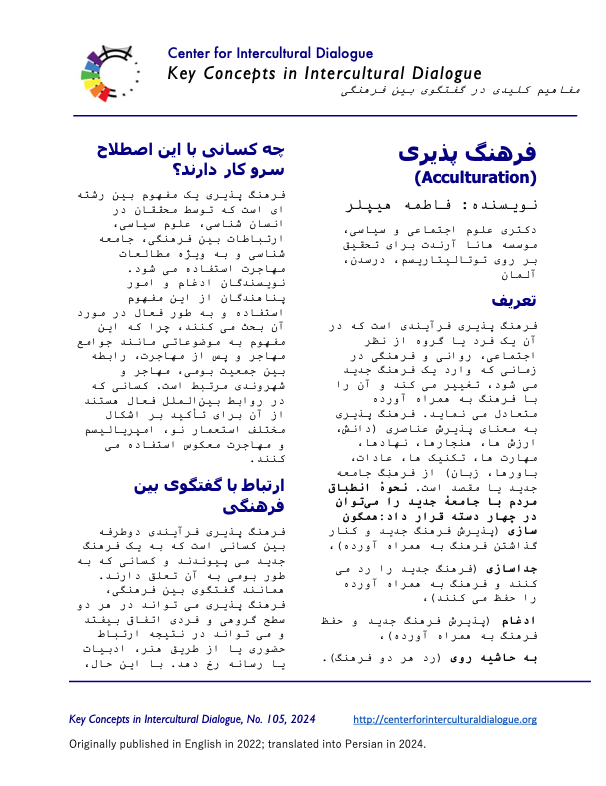
KC105 Acculturation Translated into Persian

Key Concepts in ICDContinuing translations of Key Concepts in Intercultural Dialogue, today I am posting KC105: Acculturation, which Fatemeh Hippler (Kamali-Chirani) wrote for publication last year, and which she has now translated into Persian.

As always, all Key Concepts are available as free PDFs; just click on the thumbnail to download. Lists organized chronologically by publication date and numberalphabetically by concept in English, and by languages into which they have been translated, are available, as is a page of acknowledgments with the names of all authors, translators, and reviewers.

KC105 Accommodation translated into PersianHippler, F. (2024). Acculturation [Persian]. Key Concepts in Intercultural Dialogue, 105. Available from:
https://centerforinterculturaldialogue.org/wp-content/uploads/2024/10/kc105-acculturation_persian.pdf

The Center for Intercultural Dialogue publishes a series of short briefs describing Key Concepts in Intercultural Dialogue. Different people, working in different countries and disciplines, use different vocabulary to describe their interests, yet these terms overlap. Our goal is to provide some of the assumptions and history attached to each concept for those unfamiliar with it. As there are other concepts you would like to see included, send an email to the series editor, Wendy Leeds-Hurwitz. If there are concepts you would like to prepare, provide a brief explanation of why you think the concept is central to the study of intercultural dialogue, and why you are the obvious person to write up that concept.


Creative Commons License
This work is licensed under a Creative Commons Attribution-NonCommercial-NoDerivatives 4.0 International License.

Alex Szebenyi Profile

Profiles

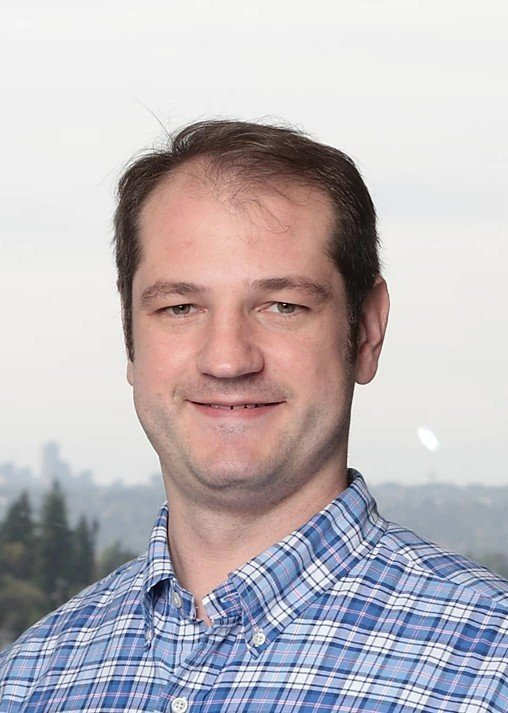
Alex Szebenyi is the Chief Technology Officer (CTO) of Acquaint, a platform dedicated to fostering global community and empathy through the practice of human connection.

Alex Szebenyi At Acquaint, Alex oversees the technology powering acquaint.org, where volunteers from over 100 countries train human connection skills and engage in 1-on-1 intercultural dialogue sessions. To date, Acquaint has facilitated over 15,000 hours of dialogue, supported by AI-powered communication training courses and a suite of additional tools designed to make the practice of human connection more accessible and rewarding.
Alex’s career began in neuroscience, researching chemosensory systems, before he transitioned to software engineering in fields such as AI and fintech. After holding positions at various startups, Alex most recently worked as a Principal Software Engineer at AssuranceIQ. In January 2024, he fully dedicated himself to Acquaint as CTO, having previously supported the organization part-time for several years.

Alex also leads Acquaint’s research framework, which aims to advance our understanding of human connection. Acquaint collaborates with multiple labs to conduct controlled experiments, studying areas such as empathy growth, intercultural listening skills, and the gap between expectations and reality in cross-cultural interactions. These insights feed back into the platform’s development, continuously improving the training tools and dialogue experience.

Alex is excited to connect with researchers and institutions studying human connection and intercultural dialogue. You can reach Alex by email or connect with him on LinkedIn.


Work for CID:

Alex Szebenyi is co-leader of an expert group for the Center.

CFP IAIR/IACCP 2025: Bridging Intercultural Divides in a Digitally Connected World (Australia)

ConferencesCall for submissions: Bridging Intercultural Divides in a Digitally Connected World, IAIR/IACCP, 28 June-1 July 2025, University of Queensland, Brisbane, Australia. Deadline: 6 December 2024.

The first joint meeting of the International Academy of Intercultural Relations (IAIR) and the International Association for Cross-Cultural Psychology (IACCP) invites the submission of abstracts for its 2025 conference. The conference  theme of “Bridging Intercultural Divides in a Digitally Connected World” highlights the importance of researchers and practitioners coming together across disciplines, traditions, and geographic regions to address issues of cultural diversity and intercultural relations in an increasing digitally connected, but also an increasingly divided world. A key objective of both IAIR and IACCP is to build trust and connection among diverse peoples, and this theme highlights how such relationships (and the broader research areas) are challenged, but also enabled by changes in the global sociocultural and technological context.