Florida Int’l U job ad

The Department of Communication Arts is part of the College of Architecture + The Arts at Florida International University. The department offers a BA in Communication Arts and a minor in Communication Studies. Additionally, the department offers a wide variety of classes that are required courses for several different majors as well as classes that comprise the core curriculum of the university. With 46,000 students, and faculty of over 2,000, Florida International University is one of Florida’s preeminent Carnegie research-extensive public universities.

Florida International University offers more than 180 bachelors, masters and doctoral programs in fields such as engineering, international relations, architecture, law and medicine. As one of South Florida’s anchor institutions, FIU is worlds ahead in its local and global engagement, finding solutions to the most challenging problems of our time. FIU emphasizes research as a major component of its mission and enrolls students in two campus and three centers including FIU Downtown on Brickell and the Miami Beach Urban Studios. More than 160,000 alumni live and work in South Florida.

Primary teaching responsibilities for this position include teaching courses in intercultural communication. Preference will be given to applicants who have demonstrated excellence in college or university level teaching as well as publishing.

Candidates should submit a letter of interest, curriculum vitae, and two letters of recommendation in a single pdf file. To receive full consideration, applications and required materials should be received by Friday January 25, 2013. Review will continue until position is filled.

Applications for the position (Job Opening ID #505059) can be submitted by following the “Find a Career at FIU” link on the FIU human resources web page.

Applicants must attach electronic copies of their curriculum vitae, cover letter and other documents within the application process as a single pdf file. All applicants are required to complete the online application including work history and educational details (where applicable), even when attaching a CV.


Save

Santoi Wagner – micro grant

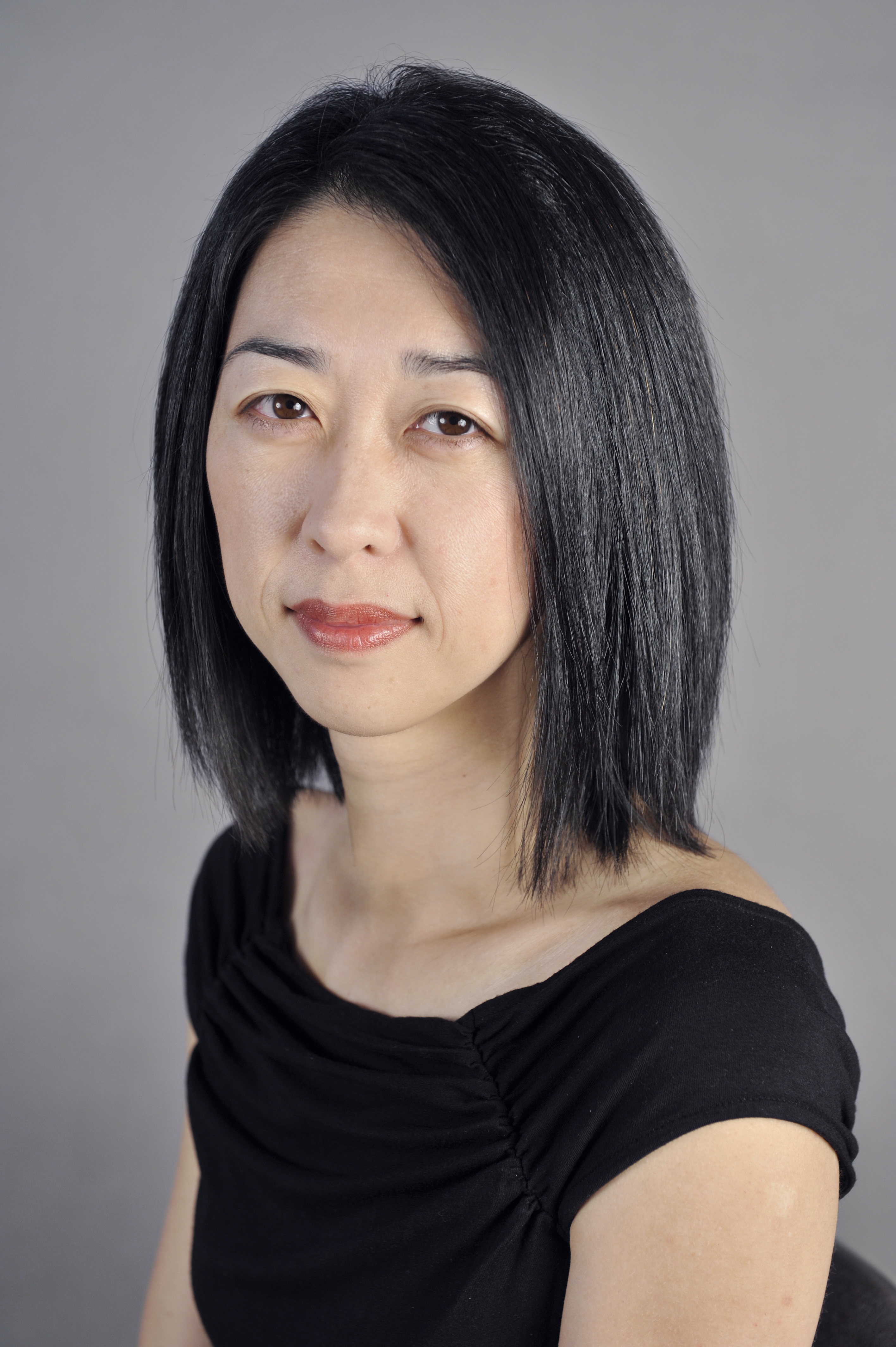
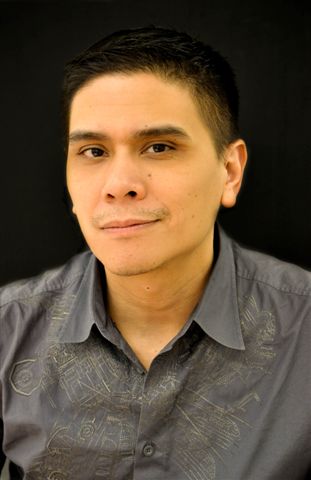
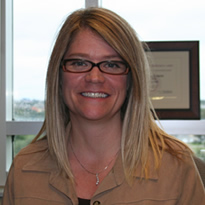
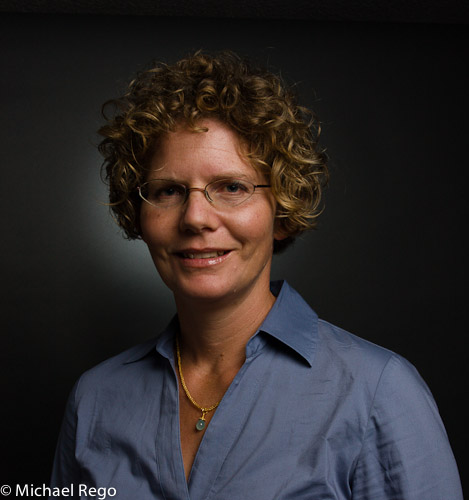
Santoi WagnerDr. Santoi Wagner, Associate Director of TESOL at the University of Pennsylvania’s Graduate School of Education, received one of the National Communication Association’s micro grants in Fall 2012 in order to work with Dr. Eun Sung Park, Assistant Professor of TESOL/Applied Linguistics and Director of the General English Education Program at Sogang University, Korea. They share research and professional interests in issues surrounding second language teaching and learning. Through this international and intercultural collaboration, the project will contribute to a deeper understanding of the interactional competencies and expectations of appropriate communicative behaviors for the classroom that non-native English speaking teachers bring to their training, and take home with them. The collaboration will also help ensure that the question of how to best support international students will receive balanced consideration from the perspectives of training in TESOL programs in the United States and teaching in students’ home countries.

Project background: With the spread of English around the globe, and the growing use of English as a lingua franca, there is an increasing demand for English language teachers. A significant proportion of students in many TESOL graduate programs in the United States are non-native English speaking (NNES) international students. While the experience for these students is often a positive one, an under-examined aspect of their training is how well the programs prepare students to teach in their home countries. For researchers interested in the interface of language and social interaction in the classroom, an issue of concern is the potential diversity in culturally appropriate norms of classroom communicative behavior. Although the impact of teacher education on actual teaching practices is an established field of inquiry, there has been much less research with respect to NNES teachers. Much of the work relating to NNES teachers of English has only been completed in the past fifteen years, and is predominantly centered around teacher self-accounts through narratives, interviews, and surveys, rather than investigations of actual teaching practices. This project seeks to explore two related questions: (a) How are NNES teachers’ communicative behaviors in the classroom altered by undergoing a training program outside of their home country? (b) How is this communicative behavior affected when NNES teachers return home to classroom and educational contexts that may be significantly different? Because the focus is the interactional practices of NNES teachers as they engage in their teaching, the study will primarily employ a qualitative micro-analytic approach to analyze the data collected from classroom observations.

Andrew R. Spieldenner – micro grant

Andrew SpieldennerDr. Andrew R. Spieldenner, of the School of Communication at Hofstra University, received one of the National Communication Association’s micro grants in Fall 2012 to travel to London to meet with Dr. Fiona Burns (principal investigator) and Ibidun Fakoya (research fellow), of University College London, to discuss, plan and learn from a community engagement research project started there. Communication methods still have not been used to look at HIV biomedical community engagement. The particular community engagement research project – advancing Migrant Access to health Services in Europe (aMASE) – looks specifically at migrants and immigrants across Europe in health disparity research, with a special focus on HIV/AIDS and gay men. Spieldenner will review research protocols, conduct interviews with Community Advisory Board members and research partners, assess tools for adaptability to the United States framework, and give a presentation on current state and challenges of community engagement in the US.  He hopes that this is the beginning of ensuring that the best practices are developed to engage racial/ethnic minority gay men in life-saving HIV/AIDS services.

Background to the project: Even with the advancement of HIV treatment, African American and Latino gay men in the United States still suffer disproportionately from poor HIV-related health outcomes – including infection, late-stage diagnosis and higher mortality – compared to their White counterparts. With the expansion of HIV biomedical interventions, racial/ethnic minority gay men – as well as their service providers – need to be educated on the science, eligibility, solutions and challenges of these interventions.  HIV biomedical interventions require community acceptance, access and affordability in order to ensure adherence and success. Community engagement is an ongoing communication process that involves community members, key opinion leaders, service providers and researchers in the identification of issues, barriers and solutions. Research has shown that ongoing community engagement can play a critical role in the community acceptance of HIV biomedical interventions, such as vaginal microbicides, but there is a dearth of activities specifically targeting gay men.  In addition, much of this information is framed by clinical practice rather than social science. Communication, as a practice, is ideally situated to provide more relevant theoretical and analytical contributions to community engagement processes.

Renee Cowan – micro grant

Renee CowanDr. Renee Cowan, of the Communication Department at the University of Texas at San Antonio, received one of the National Communication Association’s micro grants in Fall 2012 to travel to Finland and meet with Dr. Denise Salin, of the Hanken School of Economics, to plan collaborative work on investigating conceptions of workplace bullying across nations. How bullying and bullying behaviors are understood is likely influenced by the values and beliefs of the larger culture or nation in which the activity has taken place. What constitutes bullying in one culture likely differs from other cultures because of differing value systems. Salin is an international expert on workplace bullying from an organizational perspective who has theorized several important antecedents to bullying in organizations and organizational responses to bullying from the Finnish organizational perspective. Cowan will begin an intercultural conversation with her in an effort to better understand workplace bullying from the European perspective as well as discuss possible collaborations with her on a large multi-national workplace bullying research project. The research question is: based on the assumption that the violation of national, gendered, or other cultural norms will be perceived as bullying behavior, to what extent will national differences in cultural values and communication norms be associated with differences in behaviors perceived to constitute workplace bullying? 

Louisa Edgerly – micro grant

Louisa EdgerlyDr. Louisa Edgerly, an independent scholar with a Ph.D. from the University of Washington, received one of the National Communication Association’s micro grants in Fall 2012 to travel to Brazzaville, in the Republic of Congo, where she will study the work of the International Conservation and Education Fund (INCEF), a non-profit organization that produces and distributes films on the topics of conservation and health in central Africa. INCEF’s main focus is on reaching rural audiences in remote areas, with largely illiterate populations. They bring their films to remote villages, screen them for the entire local population, and then use dialogue and discussion to enhance the learning experience initiated by viewing the films. The Republic of Congo is a multi-lingual, multi-ethnic country, and INCEF uses local speakers and local languages in their films, with the aim of connecting with local audiences. This local approach to communication aligns very closely with the approach of the ethnography of communication, and with the aims and interests of the University of Washington’s Center for Local Strategies Research, which is collaborating on the project.

The main goals of this first trip to Congo are to gain familiarity with the region, make closer contacts with INCEF’s staff, and make some initial field observations of INCEF’s dialogues and film screenings. As a pilot project for a longer-term project, this first field trip will allow Dr. Edgerly to build key local contacts, refine her overall research questions, and assess the feasibility of future field projects. In addition, this first trip will reveal what may prove to be some key terms and norms among the community of health and conservation communicators working in Congo. This information will be valuable in the longer term project of studying the communicative norms in the global health and development community.

Sarah Bishop – micro grant

Sarah BishopSarah Bishop, a doctoral student in the Department of Communication at the University of Pittsburgh, received one of the National Communication Association’s micro grants in Fall 2012 to travel to San Jose, Costa Rica. In San Jose, Bishop will work with Dr. Ana Sittenfeld, Director of the Office of International Affairs at the University of Costa Rica (UCR), to gather and analyze the reflections of graduate students who have studied abroad from Costa Rica to the United States for academic credit. Costa Rica boasts an impressive history of successful study abroad programs and strong connections to U.S. universities in particular. As the country’s oldest and largest university, UCR has spearheaded a movement to send graduate students abroad to gain international teaching experience with the belief that this opportunity makes the students better prepared and attractive candidates for teaching careers within Costa Rican universities. Bishop is interested in the ways an academic travel experience affects an individual’s sense of personal and national identity, as well as the intersection between study abroad, intercultural competence, and career preparation. This project will utilize an oral history methodology that entails conducting and recording qualitative, in-depth interviews using open-ended questions, and will work to extend Bishop’s continued efforts to navigate the ways in which international academic travel functions as a mediated, value-laden experience.

NCA Microgrants distributed

Micro Grants for Intercultural Dialogue

Earlier this year, the National Communication Association allocated funds to be distributed as micro grants for intercultural dialogue through the Center for Intercultural Dialogue, and the competition occurred throughout the fall of 2012. Far more applications were submitted than could be funded, thus demonstrating demand for this sort of grant, and interest in international travel for research purposes. All proposals went through a process of peer review, and the results are now completed. Grants will be awarded to:

Sarah Bishop
Renee Cowan
Louisa Edgerly
Andrew Spieldenner
Santoi Wagner

Follow their names to see descriptions of their projects, and learn the wide range of countries to which they will now travel and topics they will investigate.

As each project is completed, a final report describing how these scholars made contact with their local hosts, and what they did as a result of their travel, will be provided.

My thanks to all of the applicants. Hopefully that those who we are unable to fund still will be able to take their trips and conduct their research. Further grant possibilities from other sources are listed under grants. In addition, NCA provides several types of information for grant seekers, including additional funding opportunities as well as help with the process.

Thanks to members of the Advisory Board who reviewed proposals on the Center’s behalf: Donal Carbaugh (USA), Janice Hume (USA), Nazan Haydari (Turkey), and Leena Louhiala-Salminen (Finland) for their time and effort in this important effort. Thanks also NCA for providing the funding to support these important projects. This entire process will serve as a valuable pilot for future grants the Center will be pursuing, in order to fund additional projects by other Communication scholars. As further grants are obtained, they will be listed on the Center’s site.

Wendy Leeds-Hurwitz, Director
Center for Intercultural Dialogue

NSF int’l fellowships

NSF Graduate Research Fellows offered new opportunities to pursue research abroad

NSF Director Subra Suresh has announced Graduate Research Opportunities Worldwide (GROW), a new and coordinated effort that will expand and enhance international collaborative research opportunities for NSF Graduate Research Fellows, with initial agreements with science agencies in eight countries.

“Today’s graduate students being trained as scientists and engineers in the U.S. will increasingly collaborate and compete with their peers from around the globe throughout their career,” said Suresh. “GROW will prepare NSF Graduate Research Fellows (GRFs) to engage successfully in the global research enterprise by connecting them to leading scientists and research infrastructure around the world.”

GROW builds on a program NSF has sponsored for several years with researchers in Norway, Finland, Denmark and Sweden. Under GROW, these opportunities are expanded and enhanced, and a streamlined and well-coordinated process has been developed to connect a much larger cohort of NSF GRFs to a number of strategically selected educational and research institutions around the world.

“This program gives an opportunity to promote international cooperation at a very early stage of a scientific career,” said Sofie Björling of the Swedish Embassy’s Office of Science and Innovation. “It creates bonds that can last for a long time and can involve many more persons than the GRF alone. This is of great benefit to science as a whole and really fits into the thinking that science is without borders.”

The Fellows, selected through the normal process through the NSF GRF Program and invited to participate in GROW, will be hosted by a science agency in a partner country for a period of three to 12 months. While overseas, they receive a living allowance from the host country as they pursue their research in a host institution. They will also be eligible to receive an international travel allowance from NSF. In addition to the four Nordic countries, GROW plans to include inaugural co-funding partner agencies from Japan, South Korea, Singapore and France. It is anticipated that additional partners from NSF counterpart agencies from other countries will join GROW in the months ahead.

“Having these graduate students step outside their comfort zones personally and professionally will enable intellectual growth and provide a broader perspective on research challenges and opportunities,” said Joan Ferrini-Mundy, NSF assistant director for Education and Human Resources.

“GROW supports NSF’s broader commitment to address the internationalization of science and engineering and to provide multiple pathways to engagement with top researchers worldwide,” noted David Stonner, head of NSF’s Office of International Science and Engineering. “GROW joins other recent NSF efforts such as Science Across Virtual Institutes (SAVI) and Partnerships for Enhanced Engagement in Research (PEER) in providing mechanisms to foster international partnerships and address global challenges.”

GROW was announced as part of a celebration of the 60th anniversary of the Graduate Research Fellowship Program, NSF’s flagship program for graduate students in the science and engineering fields within NSF’s mission. The program has been in operation almost as long as NSF itself, making an investment in students with demonstrated potential for significant achievements in science and engineering. Some 40 NSF-selected GRFs have won the Nobel Prize.

The program has continued to evolve over six decades, and is now providing opportunities for students to conduct research that is increasingly interdisciplinary. Today’s Graduate Research Fellows can also gain experience and mentoring outside the lab–in entrepreneurship, business, industry or government.

More information about GROW is available on the GROW website.

More information about NSF international opportunities is available on the Office of International Science and Engineering website.

original story: https://www.nsf.gov/news/news_summ.jsp?cntn_id=126225&org=NSF&from=news

Save

Ithaca Coll diversity fellowships

The School of Humanities and Sciences at Ithaca College announces Pre-Doctoral Diversity Fellowships for 2013-14. The fellowships support promising scholars who are committed to diversity in the academy in order to better prepare them for tenure track appointments within liberal arts or comprehensive colleges/universities.

Applications are welcome in the following areas: Art History, Communication Studies, English,  Economics and Modern Languages and Literatures. The School of Humanities and Sciences houses additional interdisciplinary minors that may be of interest to candidates: African Diaspora Studies, Latina/o Studies, Jewish Studies, Latin American Studies, Asian American Studies, Muslim Cultures, Native American Studies and Women’s Studies.  Fellows who successfully obtain the Ph.D. and show an exemplary record of teaching and scholarship and engagement in academic service throughout their fellowship, may be considered as candidates for tenure-eligible appointments anticipated to begin in the fall of 2014.

Position Responsibilities and Terms of Fellowship: Fellowships are for the academic year (August 16, 2013 to May 31, 2014) and are non-renewable. The fellow will receive a $30,000 stipend, $3,000 in travel/professional development support, office space, health benefits and access to Ithaca College and Cornell University libraries. The fellow will teach one course in the fall semester and one course in the spring semester and be invited to speak about her/his dissertation research in relevant classes and at special events at Ithaca College.  Enrollment in an accredited program leading to a Ph.D. degree at a U.S. educational institution, evidence of superior academic achievement and commitment to a career in teaching at the college or university level is required. Candidates must also be authorized to work in the United States.  Prior to August 15, 2013, the fellow must be advanced to candidacy at his or her home institution with an approved dissertation proposal. Preference will be given to those candidates in the last year of dissertation writing.

Position/Job Qualifications:  Successful candidates will show evidence of superior academic achievement, a high degree of promise for continued achievement as scholars and teachers and a capacity to respond in pedagogically productive ways to the learning needs of students from diverse backgrounds. Candidates should demonstrate sustained personal engagement with communities that are underrepresented in the academy and an ability to bring this asset to learning, teaching and scholarship at the college and university level.  Using the diversity of human experience as an educational resource in teaching and scholarship is expected.

Ithaca College, a comprehensive residential campus community of 7,000 students, combines the best of education in the liberal arts and sciences with training in the professions. Our strategic plan, called IC 20/20, positions us to offer a truly distinct integrative learning experience that allows us to graduate students who are ready for today’s personal, professional and global challenges. We seek candidates who embrace integrative learning and want to be a part of this exciting time in Ithaca College history.

Ithaca College continually strives to build an inclusive and welcoming community of individuals, with diverse talents and skills from a multitude of backgrounds, who are committed to civility, mutual respect, social justice, and the free and open exchange of ideas. Candidates from underrepresented groups are strongly encouraged to apply.

Nestled in the heart of New York State’s scenic Finger Lakes region, Ithaca College sits atop South Hill overlooking picturesque Cayuga Lake and is just minutes away from the city center. Combining small town warmth and charm with the vibrancy of a college community, the thriving and culturally diverse city of Ithaca has been rated by Kiplinger’s as one of the top 10 places to live in the U.S.

Instructions for submitting your application: Interested individuals should apply online and submit a C.V./Resume, a cover letter, a sample syllabus related to the program area you are interested in, a list of references and a transcript. Questions about the online application should be directed to the Office of Human Resources at (607)274-8000. Screening of applications will begin immediately and will continue until Jan. 15, 2013.

Save

Public Anthropology book competition

The California Series in Public Anthropology is continuing its International Competition in 2013. It seeks proposals for short books oriented toward undergraduates that focus on how social scientists are facilitating social change. We are looking for accessible, grounded accounts that present compelling stories, stories that inspire others.

The proposals should describe a book that will be relatively short – around 100 pages – with a personal touch that captures the lives of people. The core of the book should involve stories of one or more social scientists as change agents, as making a difference in the world.

The University of California Press in association with the Center for a Public Anthropology will award publishing contracts for up to three such book proposals independent of whether the manuscripts themselves have been completed. The proposals can describe work the author wishes to undertake in the near future.

Interested individuals should submit a 3-4,000 word overview of their proposed manuscript – detailing (a) the problem addressed as well as (b) a summary of what each chapter covers. The proposal should be written in a manner that non-academic readers find interesting and thought-provoking.

DEADLINE FOR SUBMISSIONS IS MARCH 1, 2013

Submissions should be emailed to: bookseries AT publicanthropology.org with the relevant material enclosed as attachments.

Naomi Schneider and Rob Borofsky,
Co-Editors, California Series in Public Anthropology

The Center for a Public Anthropology is a non-profit organization that encourages scholars and their students to address public problems in public ways.

Save