NCA Micro Grant Report
Sarah Bishop, University of Pittsburgh
With generous support from the Center for Intercultural Dialogue and the National Communication Association, I traveled to San Jose, Costa Rica March 29-April 7, 2013 to gather the reflections of graduate students who had studied abroad at universities in the United States for academic credit. My goal, in short, was to discover how international academic travel influenced an individual’s sense of national identity. In preparation for the trip, I worked to familiarize myself with the relevant research about study abroad. Additionally, I read many of the multitudinous study abroad testimonies written by students and currently available on study abroad websites at numerous institutions. By the time I boarded the flight for San Jose, I felt confident about the kinds of effects academic travel had on students, and I looked forward to adding the dimension of “effects on national identity” to the impressive canon of existing research. During the interviews themselves, however, I was surprised to find that the interviewees reported experiences, emotions, and challenges about multiple aspects of the academic traveling experience that I had not encountered in any of the relevant literature.
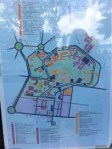
The preparation for this project included a two-month process of correspondence with the Director and other relevant staff at the Office of International Affairs at the University of Costa Rica (UCR). I owe my deepest gratitude to this staff, including Ana Sittenfeld and Fatima Acosta, especially, for providing me with a list of interested participants as well as details regarding the group’s areas of research and U.S. destinations. In addition, I completed extensive oral history training from Dr. Ron Zboray at the University of Pittsburgh. One unexpected challenge arose when I estimated (based on flight costs at the time), that round-trip airfare to San Jose would cost no more than $800 USD. The Center for Intercultural Dialogue generously granted this amount, but between the time the grant application was due and the time of my actual travel, flight costs had risen by more than $300, and I had to use my savings account to cover the remainder of the flight. In the future, I will account for fluctuations in flight costs before finalizing my budgets. Another challenge arose when I realized that none of the roads around the University of San Jose, where I conducted my research, are named. In the absence of road signs, I relied on an iPhone photograph I had taken of a map I found on UCR’s campus and the patience of students willing to forgive my uncertain Spanish for direction.
 In an effort to understand the ways an academic travel experience affects an individual’s sense of personal and national identity, as well as the intersection between study abroad, intercultural competence, and career preparation, I spent approximately one hour interviewing each graduate student. Our conversation ranged from issues surrounding the legal preparations required before traveling abroad to negotiating needed friendships while away from home. While I have yet to code and transcribe all of the interviews, one unexpected theme became apparent: though study abroad programs have been especially credited with encouraging a sense of global—rather than national—citizenship, in my own interviews, I found that the majority of students reported that study abroad strengthened, rather than compromised, their sense of national or geographic identity. This finding requires further exploration and I hope to have the opportunity to find out whether study abroad alumni in other areas of the world report similar outcomes.
While multi-sited, international research is logistically complicated and time-consuming, my time in San Jose confirmed that in cases where interpersonal interaction and nonverbal communication are central to a project, video conferencing remains a poor substitute for face-to-face interaction and exchange. I am honored to have had the opportunity to conduct this research, and look forward to reporting my full findings at a later date.
[NOTE: Sarah Bishop’s original project proposal is available here.]

 Campus Dean, Texas Tech University in Costa Rica, Escazú, San José, Costa Rica. Deadline: 17 January 2026.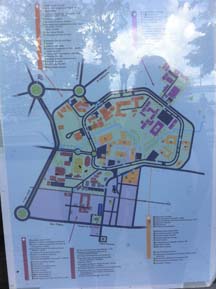
 Center for Intercultural Dialogue