Call for Submissions: for book series Possibilities, published by Peter Lang. Deadline: Open.
Series editors: Bernadette Marie Calafell (University of Oregon) and Shane T. Moreman (California State University, Fresno)
Possibilities brings Indigenous, Race, and Ethnic Studies together with Communication and Media Studies, centering how cultural communities use, resist, and remake the forms that represent them. The series takes up the activist impulse that sparked the founding of Ethnic Studies through the labor of Indigenous, Black, Latina/o/x/e, and Asian American communities, and carries that charge into Communication and Media Studies, energizing the series to be critical, reflexive, and dynamic.
Foregrounding U.S. racial and ethnic formations and performances in relation to imperialism, settler colonialism, and the enduring and recurring traumas of genocide, slavery, anti-Blackness, and internment, Possibilities also follows diasporic, transnational, and border-crossing realities manifested through texts, institutions, and lived experiences. Editors invite work that takes empirical risks while remaining humble about what it can claim, and that engages communities in imagining what comes next.
Possibilities deepens long-standing questions of race and ethnicity across sex, gender, ability, class, nationality, locality, and the like, all with the desire for intellectual growth. They encourage scholars to cultivate new methods and representational forms, and to let transdisciplinary questions motivate that work rather than merely frame it. Possibilities takes its name from its advocacy: a tending toward resourceful visioning, sustainable offerings, and critical hope.
Editors welcome proposals for monographs and edited collections, and encourage informal conversations with anyone thinking through a project at any stage.
(The series was previously published under the name Critical Intercultural Communication Studies through volume 33.)


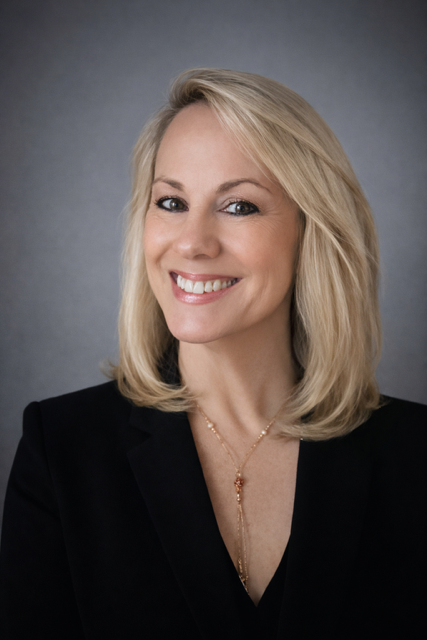 She is also the founder and director of the Center for Indigenous Student Media, director of Good Morning Indian Country, an award-winning, student led weekly Indigenous news and information program, as well as creator and director of the Native Storytelling Workshop. She worked as a news anchor and reporter for 20+ years in television markets across the country. Her scholarship focuses on Indigenous representation in media past and present with a focus on improving coverage of Indigenous issues, identity, and communities in non-Indigenous media spaces. Melissa is a board member and education chair for the Indigenous Journalists Association.
