
International Translation Day 2025

EventsHappy International Translation Day, a celebration  established by the United Nations in 2017, occurring on 30 September every year.
International Translation Day is an opportunity to pay tribute to the work of language professionals, which plays an important role in bringing nations together, facilitating dialogue, understanding and cooperation, contributing to development, and strengthening world peace and security. A number of organizations are planning events, as described in a prior post.

“Words travel worlds. Translators do the driving”. – Anna Rusconi

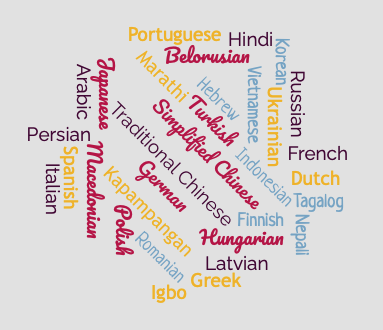
This is an appropriate occasion on which to thank all of the translators who have taken time from other responsibilities to help CID prepare translations of our publications into a remarkable 32 different languages. We could not do this without you! 

NOTE: If you want to translate one of the publications into a language in which you are fluent, please contact us before you start, to learn whether anyone else is already working on that publication in that language.
 

International Translation Day Events 2025

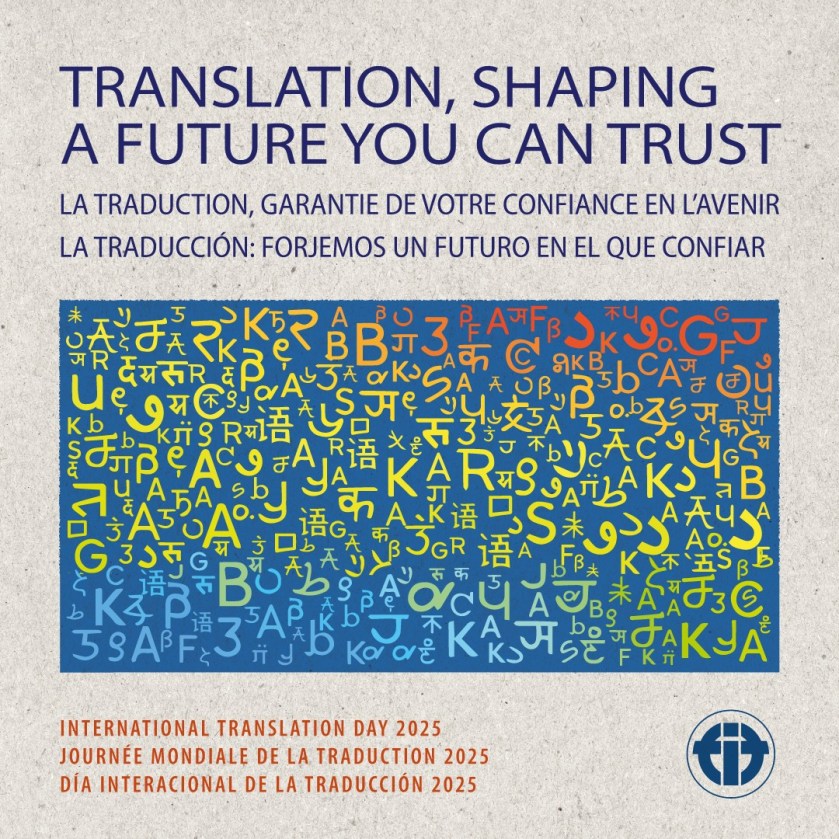
EventsInternational Translation Day, established by the United Nations in 2017, occurs on 30 September every year. A number of organizations are planning events.

International Translation Day

The International Federation of Translators is holding a webinar this year to celebrate, with the theme Celebrating Translation, Peace and Trust. In turbulent times, where peace often hangs in the balance and global communications and relations are infiltrated by a lack of trust, the ITD 2025 theme highlights the important role of human trust. Specifically, the role of translators, interpreters and terminologists in ensuring trustworthy communication, building dialogue and trust between parties and providing oversight to AI-generated text and machine translation.

English PEN will be holding both in person and online events in London to celebrate, with a two-part conversation exploring pressing questions for the craft, business and ethics of translation: How can literary translation thrive in the face of global turmoil? And how can literary translation thrive in the face of artificial intelligence?

UNESCO and Translation Commons are organizing a joint virtual event to celebrate the International Translation Day within the context of The International Decade of Indigenous Languages. This event will explore the evolving roles of Indigenous language professionals in the digital age, emphasizing the irreplaceable value of human expertise in ensuring accurate, culturally sensitive, and trusted translations. They will navigate the ethical considerations of AI in this field, focusing on community-led approaches to leverage technology responsibly for Indigenous language preservation and revitalization, ultimately creating a future where these languages are not only thriving but also safe.

International Translation Day 2023

EventsInternational Translation Day, established by the United Nations in 2017, occurs on 30 September every year. English PEN is holding an event this year to celebrate.

Join English PEN in London or online from anywhere in the world, 12–7pm BST on Friday 29 September 2023 for a day of workshops, talks and networking opportunities, culminating in a “2023 State of the Translation Nation” plenary discussion. Featuring 30 leading translators, writers, publishers, agents, booksellers and language experts, this year’s sessions include an “ask me anything” with five UK publishers, workshops on negotiating contracts and translating sensitive work, and talks on rights, events and reviews.


International Translation Day is an opportunity to pay tribute to the work of language professionals, which plays an important role in bringing nations together, facilitating dialogue, understanding and cooperation, contributing to development, and strengthening world peace and security. This is an appropriate occasion on which to thank all of the translators who have taken time from other responsibilities to help CID prepare translations of our publications into a remarkable 32 different languages. We could not do this without you! 

NOTE: If you want to translate one of the publications into a language in which you are fluent, please contact us before you start, to learn whether anyone else is already working on that publication in that language.